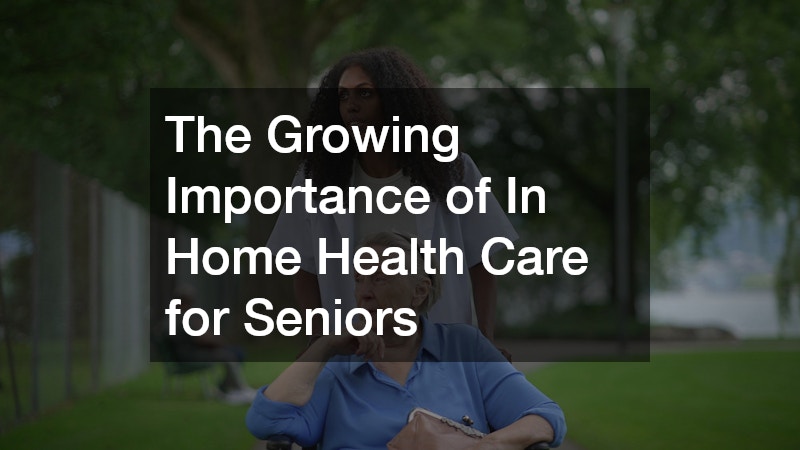
As our population ages, families are increasingly seeking safe and compassionate care options for their loved ones. For many seniors, maintaining independence while receiving professional medical and personal support is a top priority. This is where in home health care has become a vital solution. Unlike traditional nursing homes or assisted living facilities, in home care allows seniors to receive the care they need in the comfort and familiarity of their own homes.
This approach not only improves quality of life but also provides families with peace of mind knowing their loved ones are supported in a safe environment.
Enhancing Quality of Life for Seniors
One of the most significant benefits of in home health care is the enhancement of a senior’s quality of life. Aging often brings physical limitations and chronic conditions that make everyday tasks challenging. With professional caregivers available at home, seniors can receive assistance with daily activities such as bathing, dressing, meal preparation, and medication management. This personalized support allows seniors to maintain their independence while still receiving the help they need.
Moreover, being in a familiar environment can significantly improve mental and emotional well-being. Many seniors experience loneliness or anxiety when removed from their homes. In home care reduces this stress by allowing seniors to remain surrounded by their personal belongings, family memories, and pets. This comfort can lead to better mental health outcomes, reduced hospital readmissions, and an overall improved sense of happiness.
Additionally, in home health care promotes social engagement and connection. Caregivers often encourage seniors to participate in hobbies, exercise routines, or community activities, which helps prevent isolation and cognitive decline. Families can feel reassured that their loved ones are not only receiving care but are also staying mentally and socially active, which is essential for overall health and well-being.
Tailored Medical and Personal Care
Another key advantage of in home health care is the ability to provide tailored medical and personal care. Unlike institutional settings where care is often generalized, home-based care plans can be customized to meet each senior’s specific health needs. Skilled nurses and caregivers can monitor vital signs, manage medications, provide wound care, and assist with rehabilitation exercises, all while adapting the care plan as the senior’s needs change.
This flexibility is especially important for seniors with chronic illnesses or post-surgery recovery needs. In home care ensures that care is consistent and coordinated with the senior’s physician, helping to prevent complications and promote faster recovery. Families also benefit from regular updates and guidance from caregivers, giving them confidence in the ongoing management of their loved one’s health.
Furthermore, in home health care allows for a proactive approach to health management. Caregivers can identify subtle changes in behavior or condition early, enabling timely interventions before problems escalate. This proactive monitoring can prevent unnecessary hospital visits and improve long-term health outcomes, giving families peace of mind that their loved ones are in capable and attentive hands.
Supporting Families Through Caregiving
Families often play a critical role in the care of their aging relatives, but providing full-time care can be physically and emotionally exhausting. In home care helps alleviate this burden by sharing responsibilities with trained professionals. Caregivers can provide respite for family members, allowing them to balance work, personal life, and caregiving without sacrificing the quality of care for their loved one.
Additionally, in home health care services often include education and support for families. Caregivers can teach family members how to safely assist with mobility, administer medications, and recognize early signs of health issues. This partnership fosters a stronger support network for the senior, ensuring they receive the highest level of care while empowering families to stay actively involved.
Another important aspect is emotional support. Many families struggle with feelings of guilt or worry when caring for a senior, especially when health challenges arise. Knowing that trained professionals are providing daily care can relieve stress and foster stronger family relationships. Families can focus on spending meaningful time with their loved ones rather than managing complex medical needs, making the caregiving experience more positive for everyone involved.
As the population of seniors continues to grow, the importance of in home care cannot be overstated. It offers a unique combination of medical expertise, personalized support, and emotional well-being, all within the comfort of home. Families benefit from knowing their loved ones are receiving professional care without the stress of relocating them to a facility.
Choosing in home health care is not just a practical decision; it is an investment in the dignity, independence, and quality of life of seniors. By embracing this approach, families can ensure that their loved ones remain safe, healthy, and happy in the environment they cherish most. For those seeking compassionate, comprehensive care, in home health care represents a growing and invaluable option in today’s healthcare landscape.
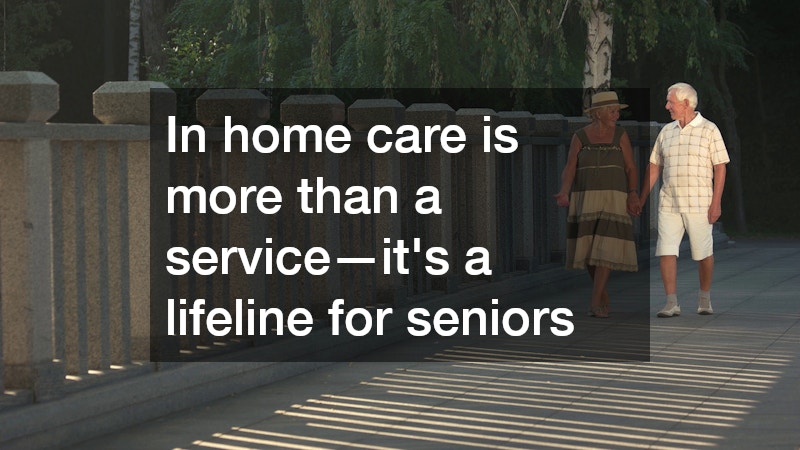
With the right care team, seniors can thrive at home while families stay confident that their loved ones are supported every step of the way. In home care is more than a service—it’s a lifeline for seniors and a reassurance for families navigating the challenges of aging.