
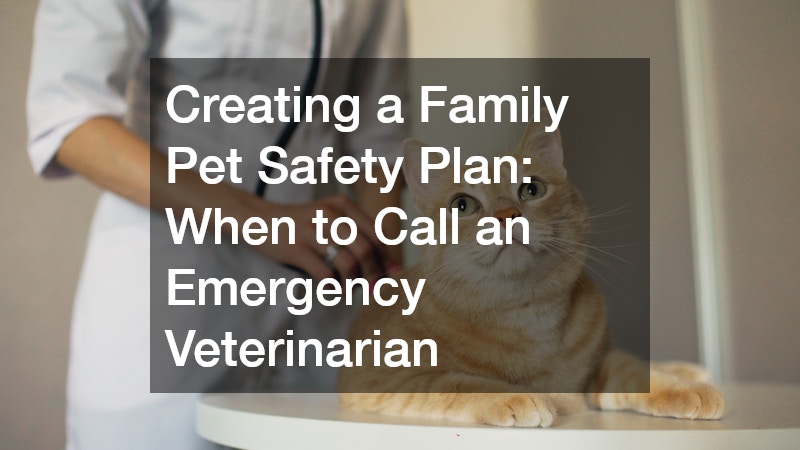
Every pet owner knows that animals, much like humans, can have emergencies that require immediate attention. Unfortunately, many are caught unprepared during these critical moments. Crafting a family pet safety plan ensures you are ready to tackle unforeseen events and make expedient decisions. One crucial aspect of this plan is knowing when to call an emergency veterinarian. This article will guide you through creating a comprehensive pet safety plan and understanding the situations where contacting professional help becomes essential.
Understanding the Basics of Pet Emergencies
Identifying when your pet is experiencing an emergency can be challenging, especially for new pet owners. Some common signs include difficulty breathing, excessive bleeding, seizures, paralysis, or abnormal swelling. Recognizing these signs is the first step in acting quickly to secure your pet’s safety. Engaging an emergency veterinarian promptly can be the difference between life and death. Every second counts, and being informed about these symptoms can help in making faster decisions.
Once you recognize the signs, the next step is to contact a local emergency veterinary service. It’s crucial to have the contact information of your nearest vet readily accessible at all times. Ensure that this information is added to your safety plan, prominently displayed so everyone in the household can find it easily. Knowing the whereabouts of the closest emergency clinic adds a layer of preparedness. Make a habit of identifying one or two after-hours emergency veterinary services for added safety.
In addition to knowing when to call an emergency veterinarian, keeping potential toxins and hazardous materials out of your pet’s reach is vital. This preventative measure reduces the risk of emergencies occurring in the first place. Consider maintaining a well-stocked first-aid kit specifically designed for pets. This can be instrumental in managing injuries before reaching professional help. Prevention and preparation are invaluable assets in managing pet emergencies efficiently.
Creating a Comprehensive Pet Safety Plan
Designing a pet safety plan involves multiple steps, starting with risk assessment. Identify the common hazards within your home that could potentially harm your pets. These hazards include electrical cords, small objects, certain plants, and chemicals. After pinpointing these threats, strategize ways to eliminate or minimize them effectively. This approach nurtures a safer environment for your beloved pets.
Thoroughly detailing your plan is a priority; ensuring every family member is aware of their roles during an emergency is just as important. Assign tasks such as calling the emergency veterinarian, monitoring the pet’s symptoms, and administering first-aid. Regular drills will enhance preparedness, equipping everyone to respond swiftly when a real emergency arises. Communicate clearly with your entire household about the safety plan to foster a team-centered approach to pet welfare.
Incorporate a list of necessary information in your safety plan, including your pet’s medical history, vaccination records, and any medications they are currently taking. This list is beneficial when providing quick access to critical information for the veterinarian. Digitizing this information on an easily accessible platform, like your smartphone, ensures you have everything at hand when needed. A comprehensive plan not only mitigates risks but also provides peace of mind knowing you are prepared.
Implementing and Regularly Reviewing the Safety Plan
Implementing your safety plan involves regular communication and training. Discussing scenarios with your family fosters a proactive mindset about pet emergencies. Include practical steps and actions in your discussions to enhance their understanding. Simulating emergency scenarios effectively helps in engraving appropriate responses in everyone’s memory. Consider these training sessions as essential drills that keep everyone on their toes.
Regularly reviewing and updating your plan is another cornerstone of effective pet safety planning. As your pet ages or if you acquire new pets, revise your plan to accommodate these changes. Circumstances in your household might evolve, necessitating an update to ensure continued relevance and effectiveness. Routine reflections on your plan allow identification and rectification of any previously unnoticed gaps. Always strive for an adaptable plan that evolves with time and circumstance.
The family pet safety plan is a living document that benefits from ongoing evaluation and enhancement. Encourage feedback from your family members to ensure complete coverage of possible scenarios. Discussions about possible improvements help strengthen your plan. Review any incidents of emergencies to learn from them and tighten your plan. A finely-tuned plan not only protects your pet but also fosters a cohesive family unit ready to face any challenge.
Creating a family pet safety plan involves understanding potential hazards, defining emergency procedures, and knowing when to engage an emergency veterinarian. Empowering your family with knowledge and clearly defined roles in times of crisis is essential. Remember that prevention is as crucial as timely reaction; thus, continuous risk minimization within your environment is vital. By developing, implementing, and reviewing a comprehensive safety plan, you secure not only your pet’s wellbeing but also the peace of mind that comes with preparedness. A solid safety plan proves invaluable when time and action can save a precious life.