Early childhood is one of the most important stages of a child’s development. During these formative years, children build the cognitive, social, emotional, and communication skills that will support them throughout their lives. Parents often seek educational environments that encourage curiosity, confidence, and a love of learning while preparing children for an increasingly connected world.
Language plays a significant role in early development. Young children have a remarkable ability to absorb and understand new languages, making the early years an ideal time to introduce multilingual learning experiences.
Exposure to multiple languages can help children develop stronger communication skills, improve problem-solving abilities, and gain a broader understanding of different cultures and perspectives.
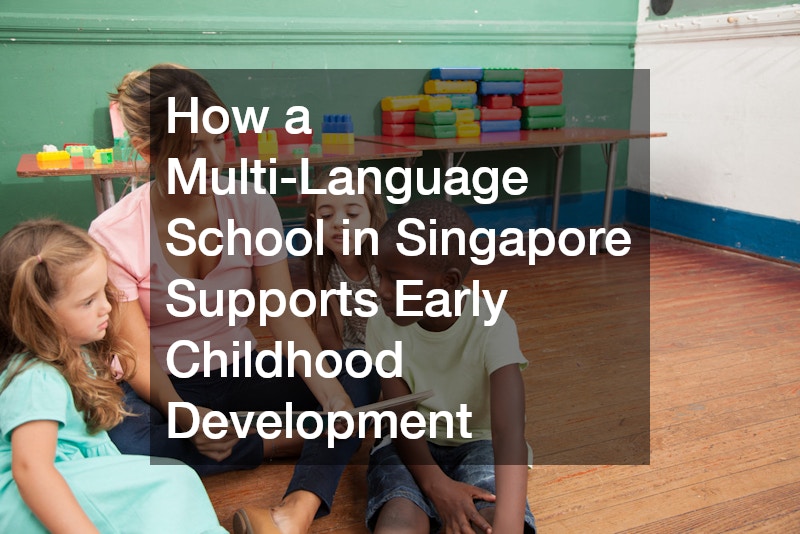
A multi-language school in Singapore offers a unique educational setting where children can learn and grow through exposure to multiple languages from an early age. These schools often combine academic learning with cultural awareness, creating an environment that supports well-rounded development. As Singapore is known for its multicultural society, multilingual education naturally aligns with the country’s diverse environment and global outlook.
Understanding how multilingual education contributes to childhood growth can help parents make informed decisions about their children’s educational journey. From strengthening cognitive abilities to encouraging social development, the benefits can have a lasting impact on a child’s future.
Enhancing Cognitive Development
One of the most widely recognized advantages of multilingual education is its positive effect on cognitive growth. Young children who are exposed to more than one language often develop stronger mental flexibility. They learn to switch between different language systems, which can improve their ability to focus, adapt, and solve problems.
Learning multiple languages requires children to pay attention to vocabulary, sentence structures, and contextual meanings. This process exercises the brain in ways that encourage memory development and critical thinking. As children become comfortable using different languages, they often develop stronger skills in organizing information and understanding complex concepts.
Research has also suggested that multilingual learners may demonstrate enhanced executive functioning skills. These skills include planning, attention control, and decision-making, all of which are valuable throughout childhood and beyond.
Encouraging Cultural Awareness and Respect
Language and culture are closely connected. When children learn multiple languages, they are often introduced to traditions, customs, and values associated with those languages. This exposure can foster cultural appreciation and broaden their understanding of the world.
A multi-language school in Singapore often integrates cultural learning into everyday classroom experiences. Children may celebrate different cultural events, explore international stories, and participate in activities that highlight global diversity. These experiences help them recognize and appreciate differences while finding common ground with others.
Developing cultural awareness at an early age can encourage empathy, open-mindedness, and respect. Children learn that people may communicate differently or come from different backgrounds, yet share similar emotions, goals, and experiences. These lessons contribute to positive social interactions and prepare children for life in diverse communities.
Building a Strong Foundation for Future Learning
The habits and skills developed during early childhood often influence future academic success. Multilingual education can provide children with valuable tools that support lifelong learning.
Children who become comfortable learning multiple languages often develop strong listening and observation skills. They learn to recognize patterns, make connections, and understand concepts from different perspectives. These abilities can support learning across various subjects, including reading, mathematics, science, and the arts.
In addition, multilingual learners may become more comfortable approaching new challenges. They are accustomed to encountering unfamiliar words and ideas, which can encourage a growth mindset and a willingness to explore new topics.
A multi-language school in Singapore can help children develop these essential skills while preparing them for future educational opportunities. The ability to communicate across languages and cultures may also provide advantages in an increasingly globalized world.
Creating a Rich and Engaging Learning Environment
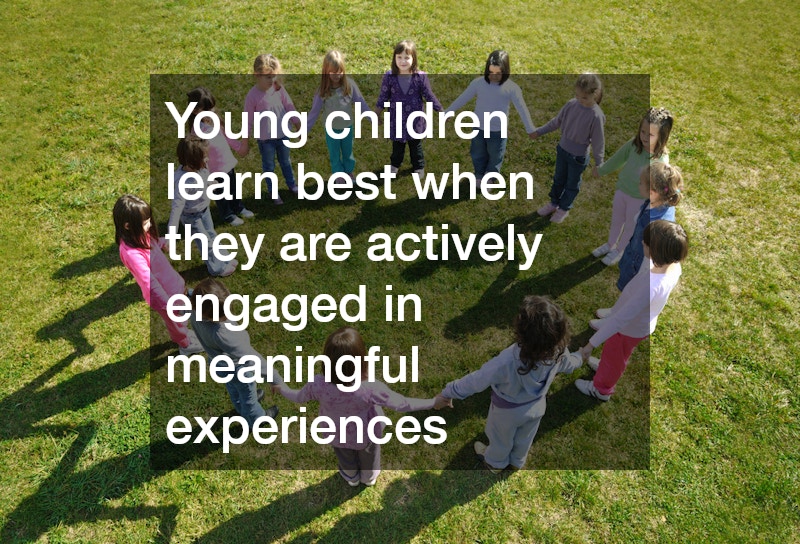
Young children learn best when they are actively engaged in meaningful experiences. Multilingual schools often use interactive teaching methods that encourage participation, creativity, and exploration.
Songs, storytelling, games, role-playing activities, and hands-on projects help children develop language skills while making learning enjoyable. These approaches create positive learning experiences that encourage children to remain curious and motivated.
Exposure to different languages through engaging activities can also strengthen comprehension and retention. Children learn naturally through repetition, interaction, and play, allowing language acquisition to become an enjoyable part of their daily routine.
An engaging educational environment supports both academic and personal development. Children feel encouraged to ask questions, express ideas, and discover new interests, helping them become active participants in their own learning journey.
Through exposure to multiple languages, children can strengthen memory, problem-solving skills, and communication abilities while gaining valuable cultural awareness. They also benefit from opportunities to build confidence, collaborate with others, and develop a deeper understanding of the diverse world around them.
As societies become increasingly interconnected, the ability to communicate across cultures and adapt to different environments continues to grow in importance. Multilingual learning environments provide children with experiences that support both personal and academic growth while preparing them for future opportunities.